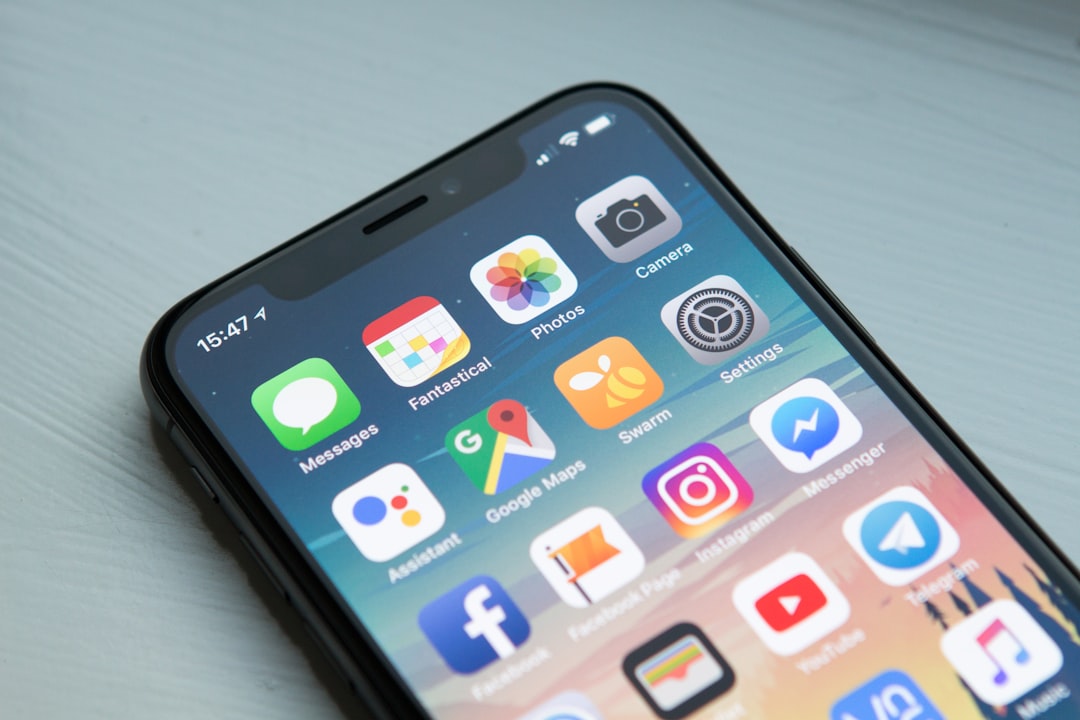
Spot the MVNO Deals That Really Save You Money: A Shopper’s Cheat Sheet
Use this MVNO checklist to compare data, speed, tethering and support so you can spot real mobile savings fast.
If you’re comparing mobile plans right now, the fastest way to overpay is to focus on headline price and ignore the fine print. MVNOs can be brilliant value, but only when the plan matches your real-world usage, your handset, and your tolerance for trade-offs. A plan that looks cheap on paper can become expensive if it throttles after a tiny data cap, blocks hotspot use, or offers support so poor that you waste hours fixing simple issues. For a smarter approach to MVNO comparison, start with a simple checklist and compare the details that actually affect daily use.
The good news is that value shopping for mobile is very learnable. Once you know where the marketing gimmicks hide, you can spot the genuine bargains quickly and avoid plans that quietly charge you more later. This guide gives you a practical mobile deal checklist, a comparison template, and a plain-English way to evaluate data limits, speeds, tethering policy, customer service, and contract terms. It is written for UK shoppers who want the best overall value, not just the lowest advertised monthly fee, and it pairs well with our wider consumer advice on spotting authentic products and avoiding scammy offers online.
1) What an MVNO really is, and why the cheapest plan is rarely the best deal
MVNO basics in one sentence
An MVNO, or mobile virtual network operator, sells mobile service using another company’s network infrastructure. In practical terms, that means it can offer lower prices, niche bundles, flexible terms, or better customer experience without owning the radio towers. But the same setup also creates variability: two MVNOs on the same underlying network can feel very different because of speed prioritisation, allowances, support quality, and roaming rules. That is why a true mobile deal checklist matters more than a flashy promo banner.
Why “same network” does not mean “same experience”
Shoppers often assume that if a plan says it uses EE, O2, Vodafone, or Three, performance will be identical. In reality, MVNO customers may sit lower in traffic priority during busy periods, and some plans cap video quality, hotspot use, or streaming speed even when the network itself is fast. That means a plan with generous-looking data can still feel restrictive if the provider quietly applies traffic management. This is where reading the decision-making mindset from other buying categories helps: compare the actual outcome, not the marketing language.
The bargain shopper’s rule
The best value is not the lowest number; it is the lowest all-in cost for the usage you actually have. A 20GB plan with unlimited tethering can be better value than a 100GB plan with slow hotspot speeds if you work from cafés or travel with a laptop. Similarly, a slightly pricier plan with strong support can save you money by preventing downtime, porting errors, or wasted time chasing refunds. Treat mobile shopping like a purchase of any other utility: compare the real service level, then judge whether the price is fair.
2) The quick checklist: 10 questions to ask before you buy
1. How much data do you really use?
Start with your last three months of usage from your phone settings or carrier account. If you routinely finish the month with half your allowance unused, you are paying for a cushion you do not need. If you hit the cap early, a cheap plan can become expensive through out-of-bundle charges or the hassle of topping up. Real value shoppers choose plans based on patterns, not guesses.
2. What happens after the data cap?
This is the single biggest trap in MVNO comparison. Some providers throttle you to unusable speeds, others stop data completely, and some simply charge extra. A plan that slows to 64kbps may technically remain “connected,” but it will not support maps, video, or even reliable messaging attachments. Always check whether the provider offers automatic bolt-ons, soft caps, hard caps, or full cut-offs.
3. Is tethering allowed, limited, or excluded?
Tethering policy matters more than many shoppers realise. If you use your phone as a hotspot for a laptop, tablet, or console, a hidden restriction can wreck the value of the deal. Some plans allow tethering but cap it at a lower speed, some reserve it for certain allowances, and some count hotspot usage separately. A great plan for casual mobile browsing may be a poor choice for remote workers, students, or frequent travellers.
4. Are speeds guaranteed, or merely advertised?
Check whether the provider quotes “up to” speeds and whether it uses traffic management during congestion. Most mobile plans do not guarantee a fixed speed, but some are more transparent than others about what to expect. If the plan is marketed with strong 5G claims, verify whether 5G access is included, whether you need a compatible SIM or handset, and whether the plan prioritises certain customers first. For buyers comparing devices and plans together, it can help to review our guide on maximising tech deals and think in total-use terms.
5. What does customer service look like in practice?
Support is part of the price. A very cheap plan can become expensive if every SIM swap, number port, or billing correction takes multiple calls. Look for live chat hours, UK-based support, complaint handling, and how easy it is to cancel or change plans online. In the consumer mobile market, service quality often becomes visible only after something goes wrong, so read reviews with a focus on porting, billing, and network issue resolution rather than generic star ratings.
3) A comparison template you can copy before you buy
Use a side-by-side scorecard, not memory
When comparing MVNOs, it is easy to remember the cheapest monthly fee and forget the rest. A simple scorecard helps you judge plans on the same basis. Put the monthly price next to the allowance, then add hotspot policy, speed notes, contract length, EU roaming, and support rating. That way you can see which plan is genuinely better value instead of assuming the lowest sticker price wins.
Comparison table: the fields that matter
Use this table structure when you evaluate offers. It is especially useful when one provider boosts data, another adds a gift card, and a third advertises “unlimited” but with heavy restrictions. The real comparison is all about usage fit, not promotional noise. If you want a broader shopping framework, this mirrors the method used in our high-value tech deal guide and the practical approach in decision-based buying content.
| Check | Plan A | Plan B | Why it matters |
|---|---|---|---|
| Monthly price | £10 | £12 | Low price only wins if usage fit is equal. |
| Data allowance | 20GB | 50GB | Prevents overage charges and speeds drops. |
| Hotspot/tethering | Allowed, full speed | Allowed, limited | Critical for laptops, travel, and backup internet. |
| Network priority | Standard | Lower priority at peak | Affects real-world speeds when cells are busy. |
| Support | Live chat + phone | Email only | Important for billing, ports, and outages. |
| Contract length | 30-day rolling | 12 months | Flexibility matters if usage changes. |
| Roaming | Included with fair use | Extra charge | Can add hidden costs for travel. |
How to score the shortlist
Give each plan a score from 1 to 5 in the categories that matter most to you: price, data, speed, tethering, support, and flexibility. Then multiply the categories by your own weighting. For example, a commuter might weigh coverage and speed higher, while a student might prioritise cost and hotspot allowance. This method stops the “best deal” from being decided by marketing slogans and keeps the decision grounded in your actual routine.
4) Data limits: the hidden cost driver most shoppers underestimate
What data caps really mean
Data caps are not just about whether you can stream video. They also affect maps, messaging, cloud backups, app updates, social media, and background syncing. A shopper who only checks email on mobile can often live comfortably on a small allowance, but anyone using navigation, music streaming, or hotspot can burn through data surprisingly fast. That is why a budget plan should be matched to behaviour, not just the number of GB on the advert.
Unlimited is not always unlimited
In mobile marketing, “unlimited” often means subject to fair use rules, speed reductions, or streaming caps. You may get truly unlimited browsing, but video may be restricted to standard definition or certain services may be deprioritised after a threshold. The word is useful only if you know the limits attached to it. Always read the plan fine print and check whether hotspot use counts toward a special limit, because that is where many attractive deals quietly become less attractive.
How to estimate your real allowance
If you do not know your usage, check your device settings. Most phones show monthly mobile data consumption by app, which quickly reveals whether the biggest drain is video, social, maps, or hotspot use. A practical rule is to choose a plan with a 20% to 30% buffer above your recent average if your usage is steady, or a bigger buffer if you travel more, work remotely, or share data with a family device. This type of disciplined comparison is similar to the way shoppers evaluate tech hardware deals: measure first, buy second.
5) Speeds, prioritisation, and the difference between fast on paper and fast in daily life
Advertised speed vs observed speed
Mobile plans often promote maximum theoretical speeds, but actual performance depends on local signal quality, tower load, device capability, and prioritisation. A plan can be perfect in a quiet suburb and disappointing on a busy commuter line. The right question is not “Does this plan support 5G?” but “Will I get usable speeds at the times and places I need them?”
Why network congestion matters
Many MVNOs operate on lower priority than direct network customers, which means speed can dip at peak times even if the underlying network is strong. That does not make the plan bad; it simply means the deal is not ideal for power users who need consistent high throughput. If you stream in HD, hot-spot work files, or game on the go, prioritisation matters far more than a headline discount. Think of it as the difference between a lane with fewer traffic lights and one that always gets jammed at rush hour.
What to ask before you commit
Ask whether 5G is included, whether there are speed tiers, and whether the provider throttles video or hotspot traffic. Look for a trial period, 30-day rolling terms, or a low-cost starter SIM if you want to test performance before locking in. If you are evaluating plans for a new handset, it can also be useful to compare the plan with device deals like our article on budget tech discounts and the practical timing advice in spotting vanishing phone deals.
6) Tethering policy: where many “cheap” plans quietly stop being cheap
Why hotspot rules matter to ordinary shoppers
Tethering is not just for remote workers. It is useful for students revising in libraries, families on trips, and anyone who needs a backup internet connection. A low-cost plan can look compelling until you discover hotspot use is capped, throttled, or excluded. If your phone doubles as a travel router, this should be one of your first checklist items.
Three common tethering models
Some plans allow full-speed tethering up to your allowance. Others permit tethering but count it against a separate limit or subject it to reduced speeds. A third group advertises data generously while restricting hotspot use in the terms. Read the policy line by line, because “personal use only” is not the same as “hotspot allowed,” and that distinction can decide whether the plan works for your lifestyle. This is the same reason careful shoppers study the fine print in product authenticity guides: details beat assumptions.
How to test whether tethering is worth it
If you rely on tethering, run a real-world test with your normal workload: video call, browser tabs, cloud sync, and a file download. A plan can pass light browsing but fail when you try to work. You want enough allowance, enough speed, and enough consistency to keep the connection practical. If not, the “cheap” plan may force you into purchasing extra data or another broadband backup, wiping out the savings.
7) Customer service and admin: the overlooked part of value shopping
Good support saves time and money
Support quality is one of the most underrated value indicators in mobile shopping. When a number port fails or a SIM activation stalls, good support can resolve the issue in minutes, while poor support can trap you in days of frustration. If you have ever spent an hour trying to correct a billing issue, you know that time has real monetary value. For many shoppers, a slightly more expensive plan with reliable support is the better bargain.
What good service looks like
Look for clear onboarding, easy number transfer instructions, transparent billing, and self-service account management. A strong provider will make it simple to track usage, change plans, pause service, or add bolt-ons without hidden friction. The best support teams also publish straightforward help articles and escalation routes. That kind of clarity is what you should expect from any trustworthy consumer product, whether it is mobile service or guidance on clear call-to-action design.
How to spot red flags before you join
Watch for vague contact details, long complaint queues, unclear cancellation policies, and reviews mentioning billing disputes or failed porting. A cheap SIM is not worth much if you cannot activate it smoothly. For peace of mind, prefer providers with a visible service record, straightforward pricing pages, and easy cancellation steps. The goal is not to find the perfect provider; it is to avoid the ones that create hidden work.
8) Budget phones, SIM-only deals, and how to avoid mismatch errors
Do not overbuy data for an underpowered phone
If your handset is older, mid-range, or battery-limited, an expensive high-speed plan may not deliver much extra value. Older devices can struggle with modern 5G, intensive hotspot use, or power-hungry apps, which means a premium plan may be underused. In that case, a modest SIM-only plan paired with a sensible device upgrade could be better than chasing an oversized allowance. When you shop for both handset and plan, make sure the two are aligned.
When a budget phone changes the plan decision
Budget phones are excellent value, but they can influence your choice of carrier and allowance. If the handset has weaker modem performance or shorter battery life, reliability and battery efficiency may matter more than peak speed. Likewise, if the phone supports only certain bands, a plan that advertises strong coverage but performs poorly on your device may be a false economy. Matching the device to the plan is one of the best ways to protect your savings and is similar in spirit to the way shoppers assess home office tech bundles.
Choose the plan for the phone you actually own
Before switching, confirm compatibility, 5G support, eSIM availability, and any carrier-specific settings. The best deal is useless if your phone cannot use it fully. If you upgrade the phone later, you can revisit the plan; but if the plan is too restrictive now, you will feel the pain immediately. That is why practical consumers compare the service setup first and the promotional extras second.
9) A shopper’s decision framework: when to switch, when to stay, and when to wait
Switch when the savings are real, not just temporary
A strong switch case exists when the new plan lowers your monthly cost, preserves or improves the features you use most, and avoids hidden charges. If the offer is only cheap for three months and then rises sharply, calculate the annual cost before deciding. Many “intro” offers look excellent until the renewal price arrives. Value shopping means thinking past the headline and into the full ownership period.
Stay put if churn would cost more than the savings
If your current plan works, has reliable support, and includes the features you use, a small discount may not justify the disruption. Porting numbers, setting up new billing, and reconfiguring devices all take time. There is also the risk of temporary service interruption. Sometimes the best money-saving move is to negotiate, downgrade within your current provider, or simply wait for a genuinely better offer.
Wait if the plan looks good but the terms are messy
If the offer has unclear fair-use terms, weak support, or restrictive tethering rules, pause and read more. Deals change fast, and many providers repeat or improve their offers during seasonal promotions. You can also use our coverage of recent MVNO price moves and other curated deal updates to judge whether the current offer is truly exceptional or just timed to create urgency.
10) The final checklist: spot a real bargain in 60 seconds
Ask these six questions
Use this quick test before you hit buy:
1) Is the monthly price still good after the intro period ends? 2) Does the data allowance fit your real usage with a buffer? 3) Are hotspot and tethering fully allowed for how you use your phone? 4) Does the provider offer the speed quality you need at busy times? 5) Can you get help quickly if activation or billing goes wrong? 6) Are there any hidden extras such as delivery, setup, roaming, or add-ons?
Apply the “all-in value” rule
Do not judge the plan on monthly cost alone. Add likely extras, possible overage, your hotspot requirement, and the cost of your time if support is poor. If a more expensive plan saves you from top-ups, nuisance calls, and throttling, it can be the cheaper choice in practice. That is the essence of smart value shopping: compare the complete outcome, not the poster price.
Keep your shortlist short
Once you have checked the essentials, reduce your options to two or three plans and choose the one that best fits your actual habits. Any more than that, and the comparison becomes noise. If you want a habit that consistently improves your savings, use this checklist every time you shop for service, just as you would when checking online safety or scanning for decision frameworks in other categories.
Pro tip: The best MVNO deal is the one you can use without thinking about it. If you are constantly checking data, worrying about hotspot limits, or contacting support, the deal is probably not as cheap as it first looked.
11) Frequently overlooked extras that change the maths
Roaming, eSIM, and multi-device use
Some shoppers compare only domestic data and ignore roaming, eSIM support, or multi-device flexibility. If you travel regularly, need a second SIM in a tablet, or want fast setup without waiting for postal delivery, these extras matter. A plan with slightly lower monthly cost can become annoying if it lacks the features that make mobile service convenient in everyday life.
Discounts, bundles, and expiry dates
Promotions are useful, but only when you know when they end. Cashback, referral rewards, and bundle discounts can be worthwhile, yet they should never be counted as permanent value unless they are guaranteed. Mark the expiry date on your calendar and recalculate the cost at renewal. This habit protects you from the “deal that became a bill” problem.
Why smaller print matters more than bigger banners
Marketing copy tends to exaggerate the positives, while the terms and conditions quietly define the real product. That is true across consumer categories, from phones to fashion to subscriptions. The skilled bargain hunter reads both. For another example of this disciplined approach, see our guide to checking authenticity before you buy and the way it breaks down quality signals into a repeatable process.
FAQ
How do I know if an MVNO is actually cheaper than my current plan?
Compare the total annual cost, not just the first month. Include intro pricing, renewal rates, possible overage, roaming fees, and the cost of any extras like hotspot access or add-ons. If your current plan includes features you use regularly, a lower monthly fee elsewhere may not be a real saving. The cheapest plan is only cheaper if it fits your usage without penalties.
What matters more: data allowance or speed?
It depends on how you use your phone. For heavy streaming, hotspot use, or remote work, speed and consistency often matter more than raw data. For basic browsing and messaging, allowance may matter more. In practice, you want enough data to avoid top-ups and enough speed to keep the connection usable.
Is tethering always included on MVNO plans?
No. Some plans allow tethering at full speed, some cap it, and some limit it through fair use rules or separate allowances. If you use hotspot regularly, check the policy before buying. A plan can be excellent for phone-only use but poor for laptop connectivity.
Are 30-day rolling plans always better value than 12-month contracts?
Not always. Rolling plans offer flexibility, which is great if your needs change or you want to test coverage. However, longer contracts can sometimes be cheaper per month. The right choice depends on whether flexibility or lowest fixed monthly cost is more important to you.
How can I avoid bad customer service experiences?
Look for providers with clear support channels, transparent billing, easy plan changes, and consistent reviews mentioning activation and porting. Avoid plans with vague contact details or repeated complaints about unresolved billing issues. Good customer service is part of the value, not an optional extra.
What should I check if I’m using an older or budget phone?
Confirm compatibility, supported bands, 4G/5G access, and whether the handset handles tethering and battery life well. Older devices may not benefit much from premium speed claims, so a more modest plan can be smarter. Match the plan to the phone you already own, not the phone you wish you had.
Conclusion: buy the plan that fits your life, not the plan with the loudest headline
The smartest MVNO shoppers use a checklist, compare the fine print, and ignore the hype unless it survives real-world testing. If you focus on data limits, speed consistency, tethering policy, support quality, and renewal pricing, you will avoid most of the traps that make cheap plans expensive. That is how you turn mobile shopping from a gamble into a repeatable saving strategy.
If you want to keep sharpening your buying instinct, browse our broader guides on timed tech deals, budget device savings, and safe online shopping. The more consistently you compare the real service, the more likely you are to spot the bargains that actually save money.
Related Reading
- How That MVNO Just Doubled Your Data Without Raising Your Bill — And How You Can Switch Today - A timely look at why data boosts can be genuine value.
- How to Catch a Vanishing Pixel 9 Pro Deal Before It’s Gone - Learn how to move fast when high-value phone deals disappear.
- Gear Up for Your Next Project: Unbeatable Discounts on HP Tech - Useful for shoppers pairing a new device with a better plan.
- How to Navigate Phishing Scams When Shopping Online - A practical safety guide for bargain hunters.
- How to Spot Authentic Shetland Wool: A Shopper’s Checklist - A strong example of checking quality signals before buying.
Related Topics
James Carter
Senior SEO Editor
Senior editor and content strategist. Writing about technology, design, and the future of digital media. Follow along for deep dives into the industry's moving parts.
Up Next
More stories handpicked for you

Trending Phones, Best Prices: Which Week-15 Handsets Are Worth Buying Now?
Must-Watch TV Picks: Affordable Subscriptions and Promo Codes
Inflation-Proof Gadget Shopping: How to Spot Real Tech Deals Before the Price Hikes Hit

Score Big on Home Upgrades: January Home Depot Discount Codes

How Small Businesses Can Stretch Every Pound with Embedded Finance Tools in 2025
From Our Network
Trending stories across our publication group

Best Rewards and Points Hacks for Beauty Shoppers

Cinematic Discounts: Score Deals Inspired by Yvonne Lime's Iconic Roles

Best Budget Gadgets for Car Cleaning and Workshop Maintenance

When to Buy and When to Wait: Is that Pixel 9 Pro Discount Truly Too Good to Miss?

Corn Rally Insights: What You Need to Know Before Your Next Grocery Trip
